
Friday, July 17, 2020
Winter Learning Journey | Activity 9
Welcome to another post on my blog. Today, I finished another task for the Winter Learning Journey. For this task, I had to try to make an alphabet list of all of the Winter Sports.

Winter Learning Journey | Activity 7
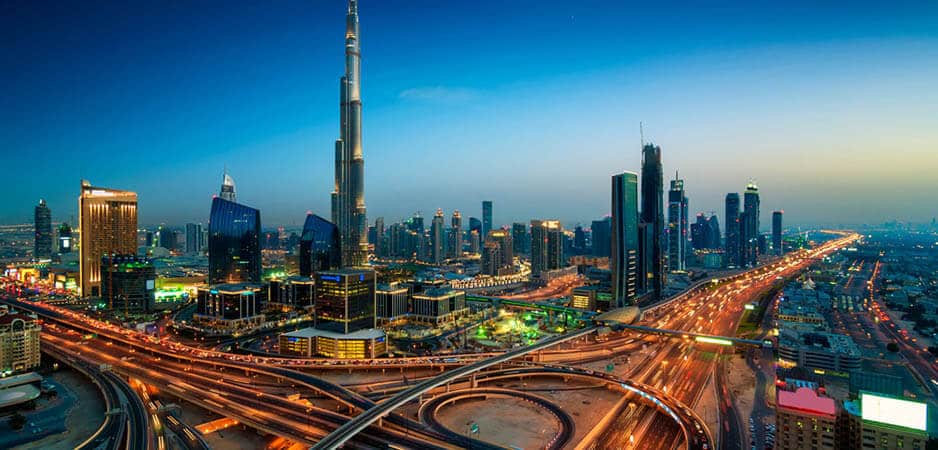 |
| Dubai, United Arab Emirates © MarekKijevsky https://www.fairobserver.com/ |
Wednesday, July 15, 2020
Winter Learning Journey | Activity 3
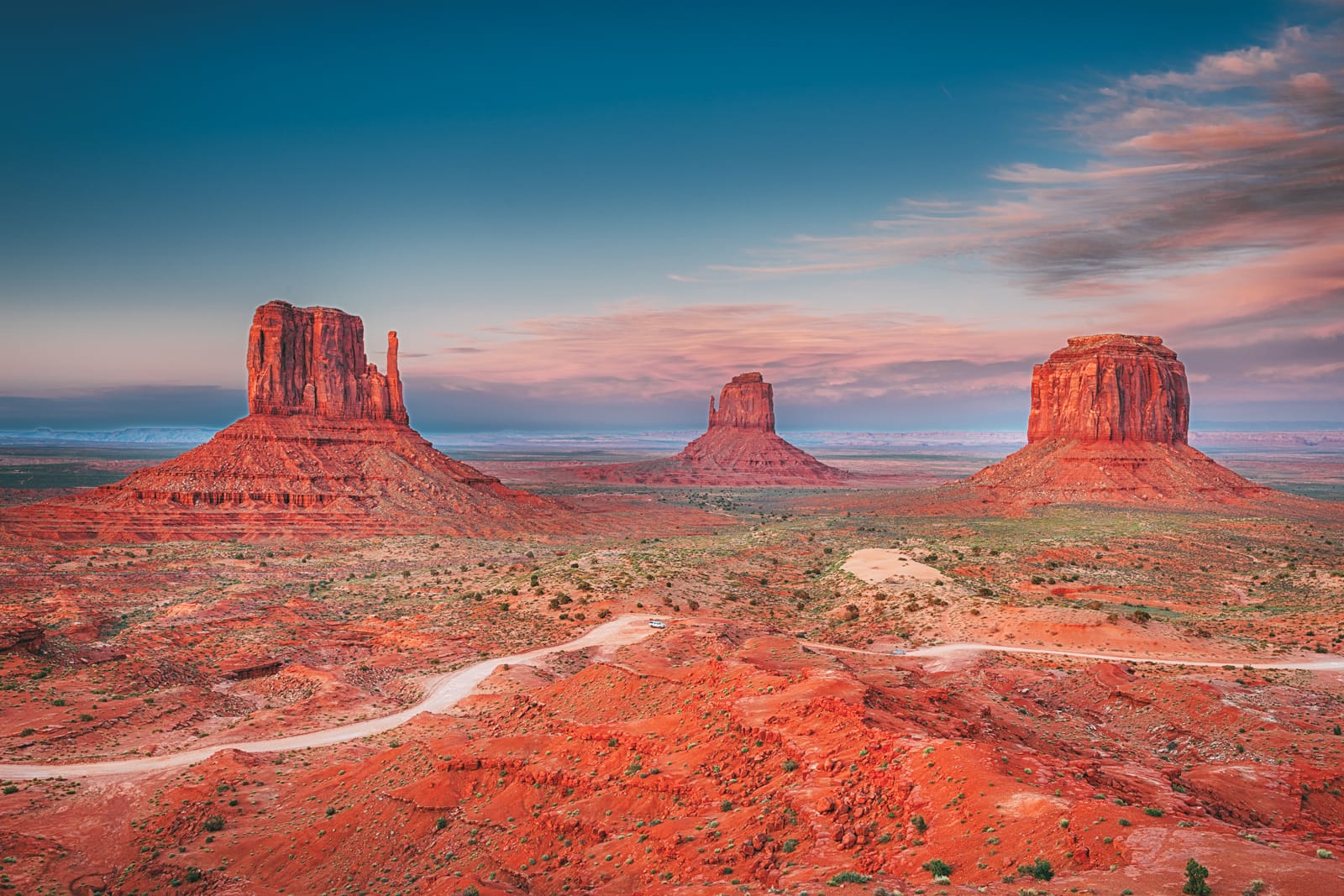 |
| Arizona Credit: https://handluggageonly.co.uk/ |


Pollution, a current environmental problem
Welcome to another post on my blog. In today's post, I am sharing a current environmental problem that we are facing, Pollution.
Pollution is toxic materials into the environment; these harmful materials are called pollutants. Pollutants can be natural things, such as volcanic ash. Pollution can be also created by human activity, such as factories or trash. Pollutants damage the quality of air, water, and land. Pollution may muddy landscapes, poison soils and waterways, or kill plants and animals.
There are many types of pollution; Air, Water, Soil, Light, Noise, Radioactive, Ocean/Marine, Plastic, Thermal, Visual and more; these causes affect our environment in many ways.
One of the deadliest types of pollution is Air Pollution. Air pollution killed approximately seven million people globally every year. According to WHO data, 9 out of 10 people breathe air containing high levels of pollutants. Like air pollution, indoor pollution is another deadly type of pollution which causes diseases and deaths. Smoke from cooking fires causes 3.8 million premature deaths each year, mostly from low and middle-class countries.
Plastic pollution, is pollution which is a concern all around the world, is a type of pollution of plastic objects like plastic bottles, bags, microbeads and more, in the Earth's environment that affects wildlife, their habitat and humans. Plastic pollution threatens ocean health, food safety and quality, human health, coastal tourism, and contributes to climate change.
There are many ways we can make a difference to end or stop plastic pollution.
References:
Pollution is toxic materials into the environment; these harmful materials are called pollutants. Pollutants can be natural things, such as volcanic ash. Pollution can be also created by human activity, such as factories or trash. Pollutants damage the quality of air, water, and land. Pollution may muddy landscapes, poison soils and waterways, or kill plants and animals.
 |
| Light pollution | Wikipedia ISS-35, a satellite view of Paris, France at night Attribution: NASA / Public Domain Credit: https://commons.wikimedia.org/wiki/ |

There are many types of pollution; Air, Water, Soil, Light, Noise, Radioactive, Ocean/Marine, Plastic, Thermal, Visual and more; these causes affect our environment in many ways.
 |
| Noise Pollution Credit: https://www.hatkosoundbarrier.com/ |
Plastic pollution, is pollution which is a concern all around the world, is a type of pollution of plastic objects like plastic bottles, bags, microbeads and more, in the Earth's environment that affects wildlife, their habitat and humans. Plastic pollution threatens ocean health, food safety and quality, human health, coastal tourism, and contributes to climate change.
There are many ways we can make a difference to end or stop plastic pollution.
- Use the 3 R's (Reduce, Reuse and Recycle).
- Refuse - Refuse plastic straws.
- Remove - Pick up trash in the neighbourhood and when visiting parks and beaches.
- Use reused or reusable bags and pouches.
- Try to shop less in bulks.
- Not leave any waste on the street, nature or on the beach...
- Sort your plastic waste as possible.
- Avoid the use of plastic disposable material.
- Avoid plastic packaging.
- Do not buy water in plastic bottles.
- Avoid plastic microbeads in personal care products.
- Avoid microplastics.
- Be careful with paint.
References:
- https://www.nationalgeographic.org/encyclopedia/pollution/
- https://www.worldwildlife.org/threats/pollution
- https://www.conserve-energy-future.com/15-current-environmental-problems.php
- https://www.who.int/health-topics/air-pollution
- https://en.wikipedia.org/wiki/Plastic_pollution
- https://www.iucn.org/resources/issues-briefs/marine-plastics
- https://www.earthday.org/what-you-can-do-to-end-plastic-pollution/
- https://www.glo-be.be/en/articles/14-tips-prevent-plastic-pollution
Friday, July 3, 2020
Toothpick Squares | Money - Maths
Welcome to another post on my blog. Today in Money (Maths), we presented the work that we had been focusing on for two weeks. We were first given various problems and we had to choose one of them to work on as a group. We made a group of 4 and chose a problem, 'Toothpick Squares'. We were given a few questions (Slide 2) and we had to answer them.
Thursday, July 2, 2020
Where the Black Death fits in History | Chemicals and Chaos
Welcome to another post on my blog. After completing independent tasks in Chemicals and Chaos, we move on to the new topic, 'Black Death'. I got a textbook about 'Epidemics Through Time', where we had to do each chapter and each activity. The first chapter was 'Rap on with History', we had to read a timeline which had all main events including the 'Black Death'.
After we had to choose ten events from the timeline, including the Black Death, and we had to make our own mini timeline, and colour code the events;

After we had to choose ten events from the timeline, including the Black Death, and we had to make our own mini timeline, and colour code the events;
- Red - exploration and travel
- Blue - loss of life
- Green - religion
- Yellow - fighting
- Orange - political
Here is my timeline.
Facts of the 10 Events
- 100 Years' War - It's really not a hundred-year war, it's really 116 years; it would be a '116 Years' War
- Black Death (Europe) - It had an estimate to have killed 30% to 60% of Europe's population.
- Captain Cook arrives in New Zealand - He arrived in Zealand on 6 October 1769 and landed at Poverty Bay two days later.
- Battle of Waterloo - It was fought near Waterloo in Belgium, part of the United Kingdom and the Netherlands at that time.
- Treaty of Waitangi - It was first signed on 6 February 1840 and it was located in Waitangi.
- American Civil War - It was a civil war in the United States from 1861-1865. The first battle was the Battle of Fort Sumter and the final battle was the Battle of Palmito Ranch.
- Influenza Epidemic - The Spanish Flu was an epidemic from February 1918 to April 1920. I infected 500 million people, around a third of the world's population, in four successive waves.
- World War I - It was a war from 1914-1918; it started after the assassination of Austrian archduke Franz Ferdinand by South Slav nationalist Gavrilo Princip on 28 June 1918.
- World War II - It was a war from 1935-1945. The majority of the world's countries, including the great powers, formed to two opposing military alliances, the Allies and the Axis.
- First Person on the Moon - Neil Armstrong was the first person on the moon on 20 July 1969 after landing the Apollo 11.
Why are we studying this?
Chemicals and Chaos is a hurumanu including Chemistry (Chemicals) and Social Studies (Chaos); Chaos is about chaotic events around the world both in the past and present. Currently, we are learning about the Black Death. I think that we are studying the Black Death because it is one of the most devastating pandemics in human history.
Chemicals and Chaos is a hurumanu including Chemistry (Chemicals) and Social Studies (Chaos); Chaos is about chaotic events around the world both in the past and present. Currently, we are learning about the Black Death. I think that we are studying the Black Death because it is one of the most devastating pandemics in human history.
Difference between a Pandemic and Epidemic?
Welcome to another post on my blog. Today, in Chemicals and Chaos, I move on from independent tasks to the 'Black Death'. We had an introduction explaining some keywords relating to the 'Black Death'; Epidemic, Plague and Outbreak.
After that, we were given a question to answer, 'What is the difference between a Pandemic and an Epidemic?'
A pandemic is a disease which is spread all over the world, such as the COVID-19 pandemic. Whereas an epidemic is a disease which is spread in a community, area or a country, such as the West African Ebola virus epidemic in 2013-2016.
After that, we were given a question to answer, 'What is the difference between a Pandemic and an Epidemic?'
A pandemic is a disease which is spread all over the world, such as the COVID-19 pandemic. Whereas an epidemic is a disease which is spread in a community, area or a country, such as the West African Ebola virus epidemic in 2013-2016.
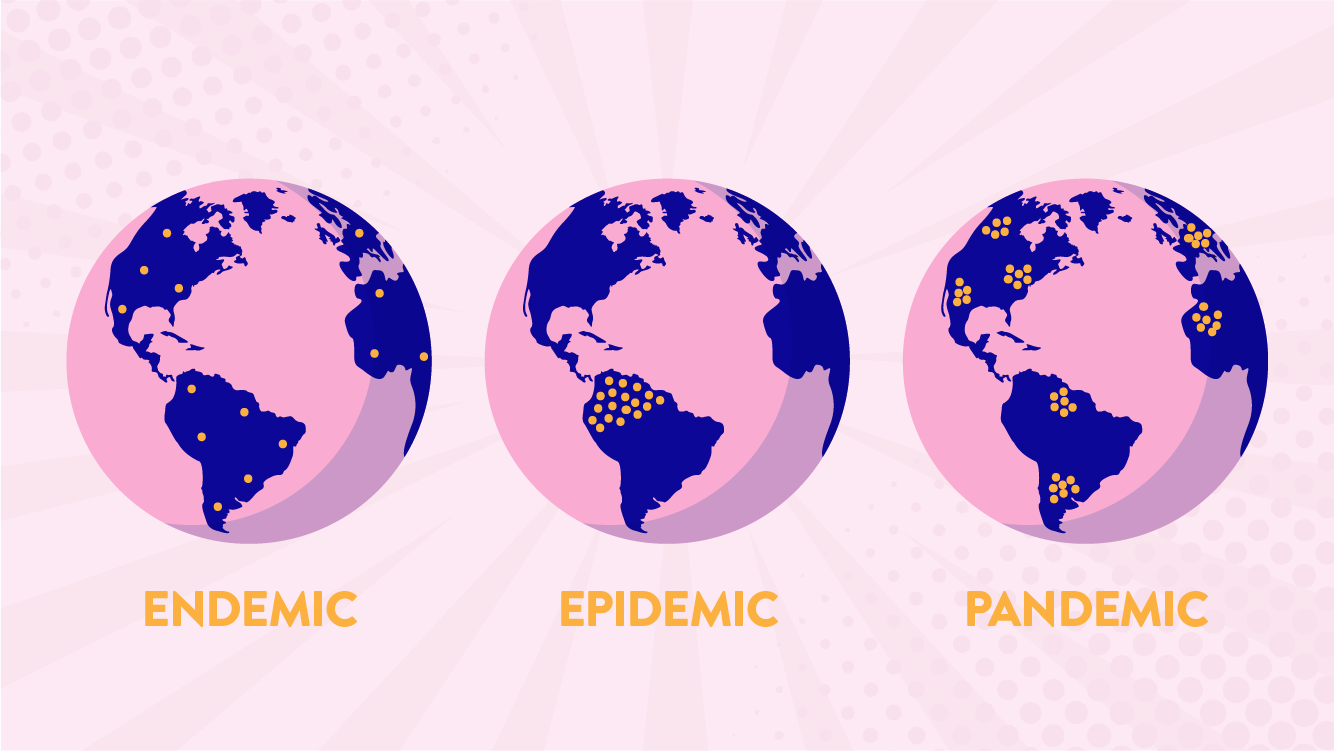 |
| Epidemic vs Pandemic | Technology Networks Credit: https://www.technologynetworks.com/immunology/articles/epidemic-vs-pandemic-323471 |
Subscribe to:
Posts (Atom)