Pages

Showing posts with label Earth. Show all posts

Sunday, September 13, 2020

Earth may temporarily pass dangerous 1.5 C warming limit by 2024, major new report says

Analysis — phys.org


The Paris climate agreement seeks to limit global warming to 1.5℃ this century. A new report by the World Meteorological Organization warns this limit may be exceeded by 2024—and the risk is growing.

This first overshoot beyond 1.5℃ would be temporary, likely aided by a major climate anomaly such as an El Niño weather pattern. However, it casts new doubt on whether Earth's climate can be permanently stabilized at 1.5℃ warming.

This finding is among those just published in a report titled United in Science. We contributed to the report, which was prepared by six leading science agencies, including the Global Carbon Project.

The report also found while greenhouse gas emissions declined slightly in 2020 due to the COVID-19 pandemic, they remained very high—which meant atmospheric carbon dioxide concentrations have continued to rise.


David Unwin/Stuff
The world may exceed the 1.5℃ warming threshold sooner than we expected.
Credit: https://www.stuff.co.nz/environment/climate-news/122721475/earth-may-temporarily-pass-dangerous-15c-warming-limit-by-2024-major-new-report-says


Greenhouse gasses rise as CO₂ emissions slow


Concentrations of the three main greenhouse gases – carbon dioxide (CO₂), methane (CH₄) and nitrous oxide (N₂O), have all increased over the past decade. Current concentrations in the atmosphere are, respectively, 147%, 259% and 123% of those present before the industrial era began in 1750.

Concentrations measured at Hawaii’s Mauna Loa Observatory and at Australia’s Cape Grim station in Tasmania show concentrations continued to increase in 2019 and 2020. In particular, CO₂ concentrations reached 414.38 and 410.04 parts per million in July this year, respectively, at each station.

Growth in CO₂ emissions from fossil fuel use slowed to around 1% per year in the past decade, down from 3% during the 2000s. An unprecedented decline is expected in 2020, due to the Covid-19 economic slowdown. Daily CO₂ fossil fuel emissions declined by 17% in early April at the peak of global confinement policies, compared with the previous year. But by early June they had recovered to a 5% decline.

We estimate a decline for 2020 of about 4-7% compared to 2019 levels, depending on how the pandemic plays out.

Although emissions will fall slightly, atmospheric CO₂ concentrations will still reach another record high this year. This is because we’re still adding large amounts of CO₂ to the atmosphere.


Global daily fossil CO₂ emissions to June 2020. Credit: Le Quéré et al. 2020, Nature Climate Change, Global Carbon Project
Credit: https://phys.org/news/2020-09-earth-temporarily-dangerous-limit-major.html


Warmest five years on record


The global average surface temperature from 2016 to 2020 will be among the warmest of any equivalent period on record, and about 0.24C warmer than the previous five years.

This five-year period is on the way to creating a new temperature record across much of the world, including Australia, southern Africa, much of Europe, the Middle East and northern Asia, areas of South America and parts of the United States.

Sea levels rose by 3.2 millimetres per year on average over the past 27 years. The growth is accelerating – sea level rose 4.8 millimetres annually over the past five years, compared to 4.1 millimetres annually for the five years before that.

The past five years have also seen many extreme events. These include record-breaking heatwaves in Europe, Cyclone Idai in Mozambique, major bushfires in Australia and elsewhere, prolonged drought in southern Africa and three North Atlantic hurricanes in 2017.


Left: Global average temperature anomalies (relative to pre-industrial) from 1854 to 2020 for five data sets. UK-MetOffice. Right: Average sea level for the period from 1993 to July 16, 2020. Credit: European Space Agency and Copernicus Marine Service
Credit: https://phys.org/news/2020-09-earth-temporarily-dangerous-limit-major.html


1 in 4 chance of exceeding 1.5°C warming


Our report predicts a continuing warming trend. There is a high probability that, everywhere on the planet, average temperatures in the next five years will be above the 1981-2010 average. Arctic warming is expected to be more than twice that the global average.

There's a one-in-four chance the global annual average temperature will exceed 1.5℃ above pre-industrial levels for at least one year over the next five years. The chance is relatively small, but still significant and growing. If a major climate anomaly, such as a strong El Niño, occurs in that period, the 1.5℃ threshold is more likely to be crossed. El Niño events generally bring warmer global temperatures.

Under the Paris Agreement, crossing the 1.5℃ threshold is measured over a 30-year average, not just one year. But every year above 1.5℃ warming would take us closer to exceeding the limit.


Arctic Ocean sea-ice disappearing


Satellite records between 1979 and 2019 show sea ice in the Arctic summer declined at about 13% per decade, and this year reached its lowest July levels on record.

In Antarctica, summer sea ice reached its lowest and second-lowest extent in 2017 and 2018, respectively, and 2018 was also the second-lowest winter extent.

Most simulations show that by 2050, the Arctic Ocean will practically be free of sea ice for the first time. The fate of Antarctic sea ice is less certain.


Global average model prediction of near-surface air temperature relative to 1981–2010. Black line = observations, green = modelled, blue = forecast. Probability of global temperature exceeding 1.5℃ for a single month or year shown in brown insert and right axis. Credit: UK Met Office
Credit: https://phys.org/news/2020-09-earth-temporarily-dangerous-limit-major.html


Don Landwehrle/123RF
Summer sea ice in the Arctic is expected to virtually disappear by 2050.
Credit: https://www.stuff.co.nz/environment/climate-news/122721475/earth-may-temporarily-pass-dangerous-15c-warming-limit-by-2024-major-new-report-says


Urgent action can change trends


Human activities emitted 42 billion tons of CO₂ in 2019 alone. Under the Paris Agreement, nations committed to reducing emissions by 2030.

But our report shows a shortfall of about 15 billion tons of CO₂ between these commitments, and pathways consistent with limiting warming to well below 2℃ (the less ambitious end of the Paris target). The gap increases to 32 billion tons for the more ambitious 1.5℃ goal.

Our report models a range of climate outcomes based on various socioeconomic and policy scenarios. It shows if emission reductions are large and sustained, we can still meet the Paris goals and avoid the most severe damage to the natural world, the economy and people. But worryingly, we also have time to make it far worse.


Pep Canadell is Chief research scientist, Climate Science Centre, CSIRO Oceans and Atmosphere; and Executive Director, Global Carbon Project, CSIRO and Rob Jackson is Chair, Department of Earth System Science, and Chair of the Global Carbon Project, Stanford University

This article is republished from The Conversation under a Creative Commons licence. Read the original article.


References:

Sunday, July 26, 2020

Overpopulation, a population problem

Welcome to another post on my blog. In today's post, I am sharing another current environmental problem that we are facing, Overpopulation.


Overpopulation means that the population of a place is too high. Never before history, there have been so many people in Earth right now. Overpopulation can also be for organisms too (animals and plants). But, the term "overpopulation" is mostly used for the number of humans living on Earth.

The population of the planet is reaching unsustainable levels as it faces a scarce of resources (water, food, fuel, etc.). Overpopulation is caused by multiple factors; there was a reduced mortality rate, better medical facilities, reduction of precious resources are a few causes in which overpopulation occurs.

According to Wikipedia, “Overpopulation occurs when a species’ population exceeds the carrying capacity of its ecological niche. It can result from an increase in births (fertility rate), a decline in the mortality rate, an increase in immigration, or an unsustainable biome and depletion of resources.”


As of 26 July 2020, the world population is estimated at 7.8 billion.


The numbers have shot up, from 1 billion in 1800, 2.3 billion in 1940, 3.7 billion in 1970, and 7.7 billion in 2020.

The world's annual growth rate of the world's population has reached to 2.2% in the 1960s, according to U.S. Census Bureau 2010. At that time, overpopulation was born. It turns out that high birth rates and the population explosion are not permanent features for some countries and cultures, but there was a four-step process the whole world is going through, 'The Demographic Transition'. Most developed countries have already followed the transition, while some countries are working on it right
now.

Back in the 18th century, when the entire world, was in the first stage of the demographic transition.

Natural world population growth, 1950 to 2040
Max Roser / CC BY-SA
Credit: https://ourworldindata.org/grapher/
Most of the world's countries have made it to the fourth stage. Let's look at Bangladesh. In 1971, an average woman had 7 kids, but 25% of them would die before the age of 5. In 2015, the mortality rate had dropped down to 3.8% and women had only 2.2 children on average.

It took developed countries around 80 years to reduce fertility from more than 6 children to less than 3. Some others are catching up fast, Malaysia and South Africa did that in 34 years, Bangladesh just took 20 years, whilst Iran managed it in just only 10 years.

We are getting there, the percentage of people living in extreme poverty has been never been as low as today. So, the future of population growth is not an apocalyptic prediction.

The 2019 forecast from the UN's Population Division shows that the world population growth peaked 2.1% in 1962, then has since dropped to 1.0%, and could further to 0.1% by 2100, a growth rate has not seen after the pre-industrial revolution days.
World Population Growth
Max Roser / CC BY-SA 
Credit: https://ourworldindata.org/world-population-growth

The UN Population Division expects world population, at 7.8 billion (2020), to level out or smooth at/or soon after the end of the 21st century at 10.9 billion (median line).

About 2⁄3 of the predicted growth in population between 2020 and 2050 will take place in Africa.

Population growth will come to an end. UN forecasts that the 12th billionth human will never be born. As the development level of the world rises, the number of people a higher education will increase ten times more.


References:


Wednesday, July 15, 2020

Pollution, a current environmental problem

Welcome to another post on my blog. In today's post, I am sharing a current environmental problem that we are facing, Pollution.

Pollution is toxic materials into the environment; these harmful materials are called pollutants. Pollutants can be natural things, such as volcanic ash. Pollution can be also created by human activity, such as factories or trash. Pollutants damage the quality of air, water, and land. Pollution may muddy landscapes, poison soils and waterways, or kill plants and animals.

Light pollution - Wikipedia
Light pollution | Wikipedia
ISS-35, a satellite view of Paris, France at night
Attribution: NASA / Public Domain
Credit: https://commons.wikimedia.org/wiki/

There are many types of pollution; Air, Water, Soil, Light, Noise, Radioactive, Ocean/Marine, Plastic, Thermal, Visual and more; these causes affect our environment in many ways.

What are the methods of reducing noise pollution
Noise Pollution
Credit: https://www.hatkosoundbarrier.com/
One of the deadliest types of pollution is Air Pollution. Air pollution killed approximately seven million people globally every year. According to WHO data, 9 out of 10 people breathe air containing high levels of pollutants. Like air pollution, indoor pollution is another deadly type of pollution which causes diseases and deaths. Smoke from cooking fires causes 3.8 million premature deaths each year, mostly from low and middle-class countries.


Plastic pollution, is pollution which is a concern all around the world, is a type of pollution of plastic objects like plastic bottles, bags, microbeads and more, in the Earth's environment that affects wildlife, their habitat and humans. Plastic pollution threatens ocean health, food safety and quality, human health, coastal tourism, and contributes to climate change.

There are many ways we can make a difference to end or stop plastic pollution.


  1. Use the 3 R's (Reduce, Reuse and Recycle). 
  2. Refuse - Refuse plastic straws. 
  3. Remove - Pick up trash in the neighbourhood and when visiting parks and beaches.
  4. Use reused or reusable bags and pouches.
  5. Try to shop less in bulks.
  6. Not leave any waste on the street, nature or on the beach...
  7. Sort your plastic waste as possible.
  8. Avoid the use of plastic disposable material.
  9. Avoid plastic packaging.
  10. Do not buy water in plastic bottles.
  11. Avoid plastic microbeads in personal care products.
  12. Avoid microplastics.
  13. Be careful with paint.


References:
Tuesday, June 30, 2020

International Asteroid Day

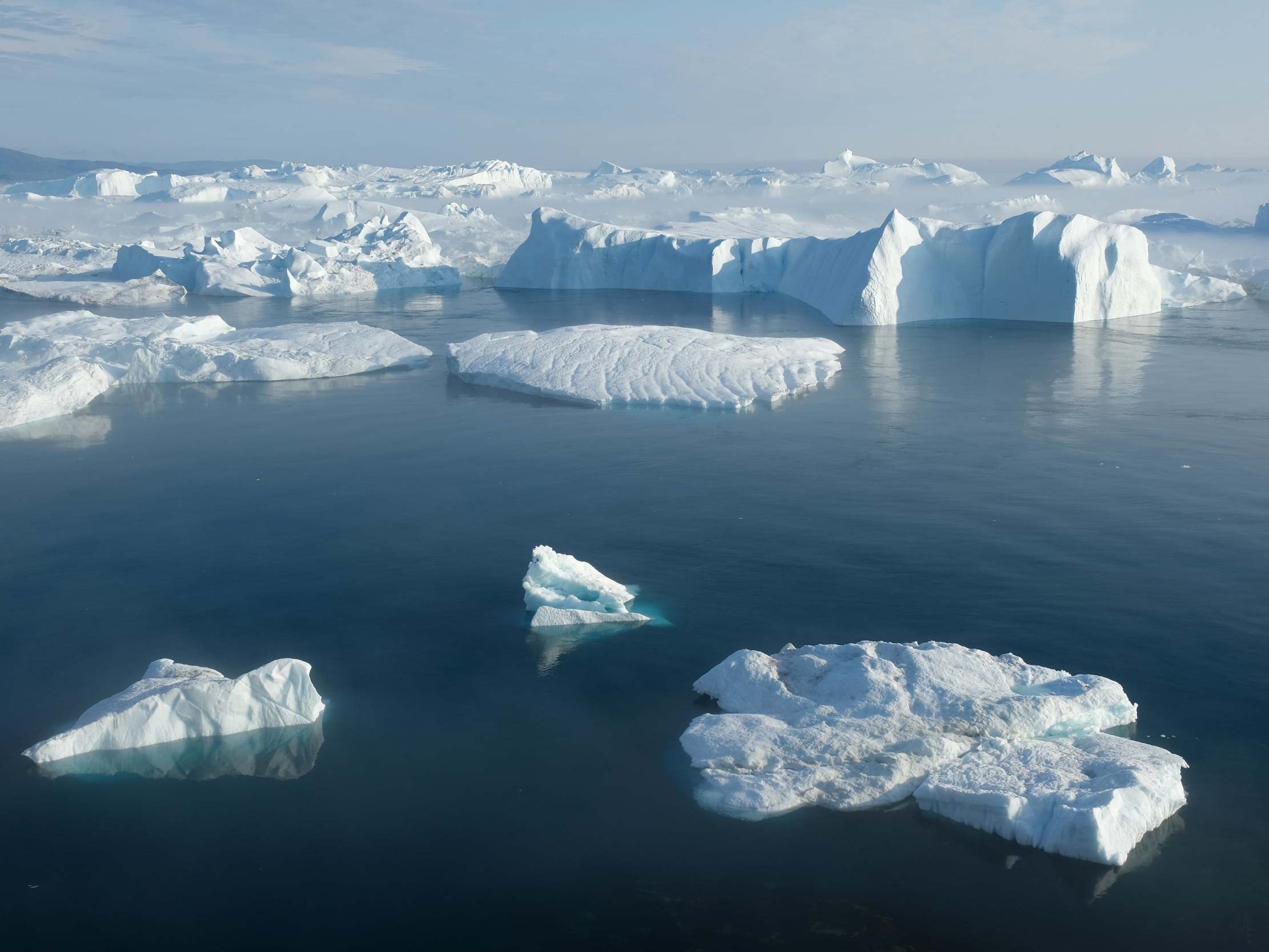
Asteroids passing Earth
Photo: ESA/Pierre Carril
Credit: https://www.un.org/en/observances/asteroid-day

Asteroid Day is a global event which is held on the anniversary of the Siberian Tunguska event that took place on 30 June 1908, the most harmful asteroid-related event on Earth in recent history.


Credit: https://jurnalspiritual.eu/

In December 2016, the United Nations General Assembly announced that it is going to be celebrated annually on 30 June every year. Asteroid Day aims to raise awareness about asteroids and what can be done to protect the Earth. 


Asteroid Day returns with Asteroid Day LIVE Digital from Luxembourg. This year, the event is a fully digital celebration of asteroid science and exploration. There is going to be broadcast on 30 June 2020, starting at 10:00 pm (10:00 am UTC). The program will repeat multiple times per day from 30 June - 4 July. 


Asteroid Day Live is streaming on Asteroid Day TV, ad the detailed program can be found on the Asteroid Day website. After Asteroid Dat, the different panels will be available on that website, as well as on YouTube.

There are over one million asteroids in space that could possibly strike the earth, but modern scientists have only identified about one percent of them. To fight this, Asteroid Day’s founders, as well as a host of skilful scientists, created the 100X Asteroid Declaration. The declaration aims for scientists to work to increase the rate of asteroid discovery to 100,000 per year within a decade. International Asteroid Day aims at giving the word of declaration and helping fellow Earthlings prepare for a potential asteroid impact.

References:


Wednesday, June 24, 2020

#SolarEclipse2020

View image on Twitter
Alamata, Ethopia #SolarEclipse2020
Credit: https://twitter.com/Landoforigins/status/1274567772471730176/photo/1

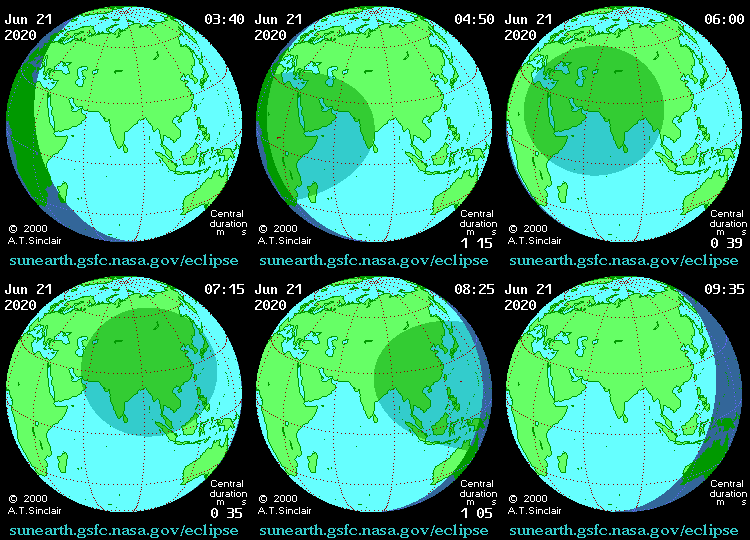
An annular solar eclipse occurred on, June 21, 2020. A solar eclipse occurs when the Moon crosses the Earth and the Sun; thereby, partly or totally covering the image of the Sun for an observer on Earth. An annular solar eclipse occurs when the Moon's apparent diameter is smaller than the Sun's, blocking most of the Sun's light and making the Sun look like an annulus (ring). An annular eclipse looks like a particle eclipse over a region of the Earth thousands of kilometres wide.

The eclipse went through central and northeast Africa, Saudi Arabia, Pakistan, northern India, and southern China including Taiwan. But rather than totally blocking the sun, it would leave a "ring of fire" from the sun at the maximum point.

There was an event live stream for people who don't have the eclipse in their country. The eclipse started at 5:45 pm (NZDT).


The eclipse was seen in the northeast of the Republic of Congo at 5:56 am (local time), 4:56 am (GMT), just a few minutes after sunrise.
That was the point of maximum duration, with the blackout lasting 1 minute and 22 seconds.

Going more east across Asia and Africa will reach it's "maximum eclipse", which a perfect solar halo around the Moon, over Uttarakhand, India near the Sino-Indian border at 12:10 local time (6:40 GMT). The alignment of the Earth, Moon and Sun was visible only for 38 seconds. 

For Oman and India, it was the second annular eclipse 6 months after the 26 December 2019 eclipse.

Florent Delefie, an astronomer and the Paris Observatory told AFP, "The annular eclipse is visible from about two percent of Earth surface"
He added, "It's a bit like switching from a 500-watt to a 30-watt light bulb. It's a cold light, and you don't see as well."

File:SE2020Jun21A.gif
Animation of the solar eclipse
Attribution: NASA / Public Domain
Credit: https://commons.wikimedia.org/wiki/File:SE2020Jun21A.gif

Astrophysicist Fred Espenak, an expert on eclipse prediction, commented on the NASA Eclipse website. "Good weather is the key to successful eclipse viewing. Better to see a shorter eclipse from a clear sky than a longer eclipse under clouds."

A solar eclipse always occurs about two weeks before or after a lunar eclipse, when the Moon moves into Earth's shadow. Lunar eclipses are visible from about half of Earth's surface.

There's a second solar eclipse on December 14, 2020, over South America. Because the Moon will be closer to Earth, it will block on the Sun's light entirely.


Sources:

Friday, June 19, 2020

Happy World Environment Day!

Welcome to another post on my blog. At the start of this month (June), in the global pandemic, the world celebrated 'World Environment Day'. It is a day encouraging awareness and action for the protection of the environment. 


World Environment Day is celebrated on 5 June every year in more than 100 countries and is one of the most popular days on the United Nations calendar. It is observed to raised awareness and promotes on environment issues.
World Environment Day 2020 Logo

World Environment Day was hosted by Colombia (in partnership with Germany) this year and the theme was ‘Biodiversity’. Biodiversity gives the basic foundation of preserving life on Earth and human development. Biodiversity explains the quality of life on Earth. It contains the 8 million species on the planet; from plants and animals to fungi and bacteria - the ecosystems that house them; and the genetic diversity between them.


Since 1974, this has been celebrated every year on 5 June: attracting governments, businesses, celebrities and citizens to concentrate their efforts on an important environmental issue.


World Environment Day was founded by the United Nations General Assembly in 1972 on the first day of the Stockholm Conference on the Human Environment, rising from discussions on the integration of human interactions and the environment. Two years later, in 1974, the first World Environment Day was held in Stockholm, Sweden with the theme “Only One Earth”.


If you want to know more about World Environment Day, here is the official website.


References:


Friday, April 10, 2020

Earth Stops Shaking Due To COVID-19, Scientists Say

Welcome to another post on my blog. In today's post, we are looking at Earth shaking less after coronavirus. For more information, read this article.


Now, crowded city streets are now empty. Highway traffic has slowed to a minimum, fewer and fewer people are found outside. Around four billion people (approx half the world’s population) have been told to isolate themselves in their homes to prevent the spread of coronavirus. The significant reduction in the hum of normal human activity has lead to a surprising shift in Earth’s vibrations. The lack of noise means “Earth’s upper crust is moving just a little less,” according to CNN.

Scientists tell that coronavirus lockdowns around the world are making the Earth move less. Since people in many countries are stuck from leaving their homes, factories and traffic ground to a stop, seismic noise, hum of vibrations in the planet’s crust have dropped. The researchers told The Independent the change will not only make it easier to detect earthquake signals, but also provide a lesson for the environment. The vibrations from cars, trains, buses, factories and people going about their daily life to create background noise (noise pollution) that make Earth’s crust move. 

Residents of Brussels have been told to stay at home, leaving the city’s streets empty. Credit: Jonathan Raa/NurPhoto via Getty

Thomas Lecocq, a geologist and seismologist at the Roya Observatory in Belgium first pointed out this miracle in Brussels. Brussels is seeing about a 30% to 50% reduction in ambient seismic noise since mid-March, around the time the country started implementing school, business closures and other distancing measures, according to Lecocq. He discovered that about one-third of vibrations have decreased because of social distancing and quarantine restrictions, according to CBS News. That noise level is equal with what seismologists (the scientific study of earthquakes) would see on Christmas Day, he stated. Since quarantine measures were introduced, the surface seismometer at the Royal Observatory of Belgium has become more sensitive to quieter seismic activity that it would have earlier missed, which could lead to more precise measurements of small quakes, quarry blasts, storms and crashing ocean waves. The reduction in noise has provided scientists with a small profit - seismic detection equipment is now more sensitive, Thomas explained to Nature. With an overall quieter planet, seismologists around the globe can anticipate enhanced abilities in instruments that detect the locations of earthquakes and aftershocks. 

Source: Royal Observatory of Belgium


Lecocq said, “This is really getting quiet now in Belgium”. 

Dr Lecocq told The Independent that the capacity of noisy stations those affected by human-generated vibrations to detect smaller earthquake signals was larger since the coronavirus lockdown. 

But the findings are also sociological, he said: “Every individual thinks he is ‘alone at home’, but all together, we are making something big for the ‘seismic environment’ – and we can probably learn a lesson here for other parts of the environment. 

“The reason we are home is terrifying, but in the future, maybe, some critical number of individuals will change their ways, avoiding single-occupancy car-commuting.” Dr Lecocq said there was no proof that the fall in human activity would create earthquakes less expected.

Update for Brussels. The background level remains low and stable (~33%).


In February, news articles were published when space images showed a huge fall in pollution over China as factories close. Studies show that it had cut 40% during the lockdown in China.

 “By combining satellite observations with detailed computer models of the atmosphere, their studies indicated a reduction of around 20-30 percent in surface particulate matter over large parts of China,” ESA reported Friday.


Pollution levels in January contrast with those in February

Air pollution causes an estimated 1.1 million deaths every year in China and costs the Chinese economy $38 billion USD. Earlier last month, Stanford Earth Sciences Professor Marshall Burke projected two months of coronavirus lockdown had saved the lives of 77,000 Chinese children and elderly from air pollution alone. Worldwide, air pollution kills around 7 million people annually, including 100,000 Americans. 

Fei Liu, an air quality researcher at NASA’s Goddard Space Flight Centre said, “This is the first time I have seen such a dramatic drop-off over such a wide area for a specific event”. She said she had seen a drop in nitrogen dioxide levels during the economic collapse of 2008 but she said that decrease more regular.

This year, pollution levels did not rise again after Chinese new year, unlike last year


The number of coronavirus cases worldwide continues to skyrocket, with over 1.5 million confirmed positive cases and over 89,000 deaths as of Friday 10 April. 


References:

Friday, December 6, 2019

Book Review

What's Really Happening To Our Planet?
Credit: https://www.tonyjuniper.com/content/whats-really-happening-our-planet-0
Welcome to another post on my blog. In today's post, I am going to share my thoughts and ideas of a book I have. This book is written by Tony Juniper, and it is named, 'What's Really Happening To Our Planet?'. Tony Juniper has been sharing information about the dramatic changes that have been happening on Earth. In this video, you can hear some of the numbers that can help you understand the changes that are going on today.


10 Quick Facts About Climate Change from Tony Juniper

  1. Since 1950, the world’s population has tripled
  2. The number of cities with a population of over 10 million people was: one in 1950, ten in 1990, and is twenty-eight today
  3. Global energy demand is expected to double by 2030 compared to 1990 (with most new capacity coming from renewable sources)
  4. Only about 1/4 of the planet’s agricultural land is being used to grow crops, the rest is being used to raise animals
  5. About 97.5% of the planet’s total water resources are saltwater, about 0.3% is liquid water at the surface, the rest is locked in groundwater and ice caps
  6. Since 1900, the consumption of construction materials, metals, ores, fossil fuels and biomass has increased tenfold
  7. Carbon dioxide concentrations in the planet’s atmosphere are higher now than at any point in at least the last 800,000 years
  8. Ten thousand years ago, 99.9% of vertebrate biomass was composed of wild animals; today, 96% of vertebrate biomass is made up of people and their domesticated animals
  9. The rate of animal and plant extinction taking place on the planet today is approaching a rate not seen on earth for 65 million years
  10. Since 1962, the area of protected habitat on the planet, in the form of national parks and nature reserves, has increased fourteenfold, to reach more than 33 million square kilometres

Tuesday, September 24, 2019

Climate Change Investigation | Conversation/Sustainability

Welcome to another post on my blog.


My Investigation on climate change


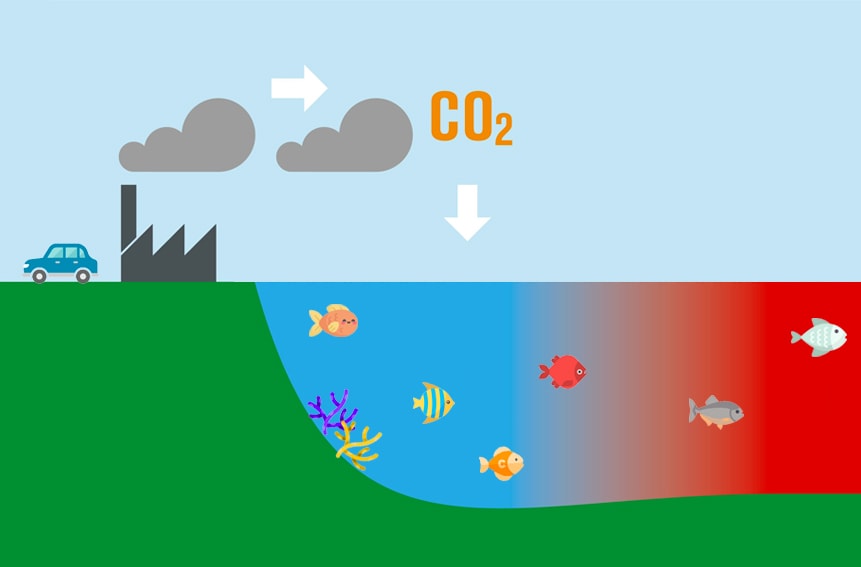
    DEFINITION: The process of making the ocean acidic.

    What is happening to the oceans?

    The ocean is absorbing carbon dioxide, which is good for us, but not good for the ocean. Because the ocean will turn acidic.

    What does this do to shellfish?

    They do not grow properly and do not grow in the right form/shape. 

    HOW DOES CLIMATE CHANGE CONTRIBUTE TO THE ACIDIFICATION OF OUR OCEANS?


    The carbon dioxide in the atmosphere makes the water in our ocean more acidic.


    2 Images;


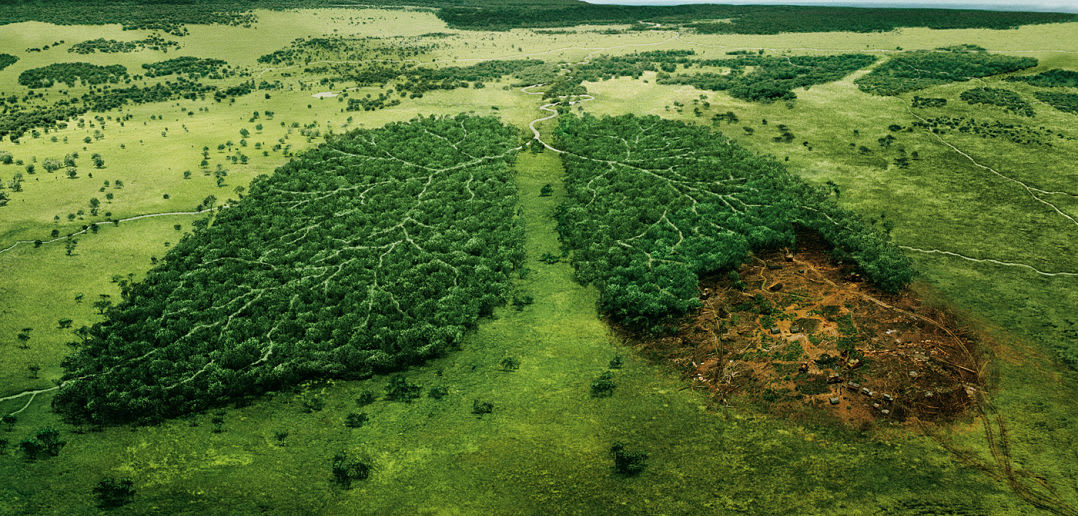
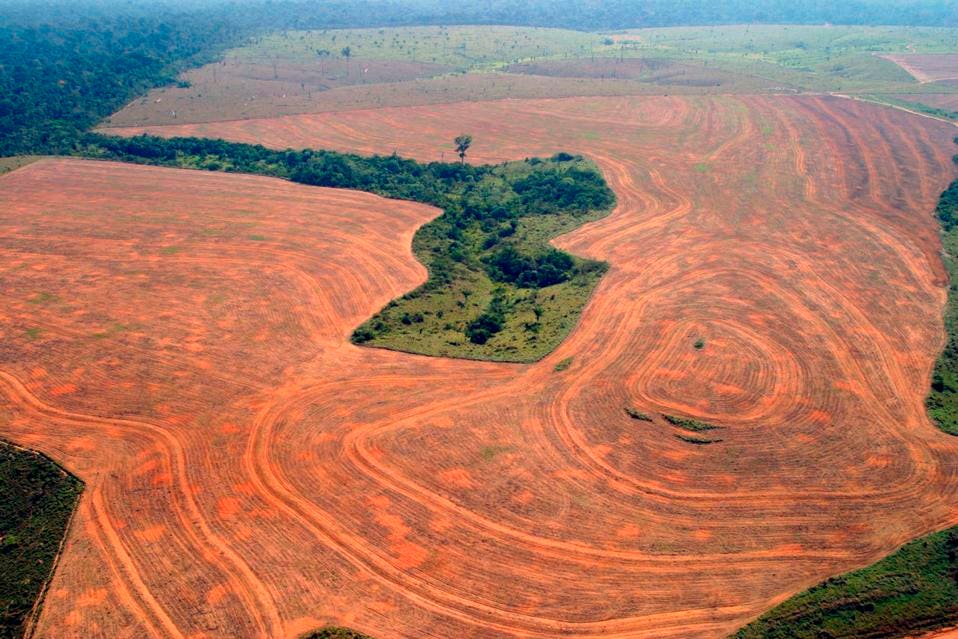
    DEFINITION: Action for clearing a wide area of trees
    What are trees used for?

    Trees are used for wood, paper, cardboard, making items from wood, houses, toothpicks, etc.

    HOW DOES DEFORESTATION AFFECT THE CLIMATE?

    Leaves take in carbon dioxide which makes the carbon dioxide in the tree. When they cut the trees, the carbon dioxide escape. 


    2 Images;


    Related image


    Image result for deforestation


    ICE CAP MELTDEFINITION: Ice melting and landing in the ocean
    If all the ice melted what would happen?

    The sea-level rise and islands will sink, floods will increase.

    HOW DOES ICE CAP MELT AFFECT CLIMATE CHANGE?

    Sea Level Rise


    2 Images;

    Image result for ice cap


    Image result for ice cap


    WATER VAPOURDEFINITION: Water Vapour is produced from the evapouration or boiling liquid.
    HOW DOES  WATER VAPOUR AND EVAPORATION CONTRIBUTE TO CLIMATE CHANGE? 


    2 Images;

    Image result for water vapour

    Image result for water vapour

    Tuesday, July 30, 2019

    Supercontinents

    Image result for supercontinents
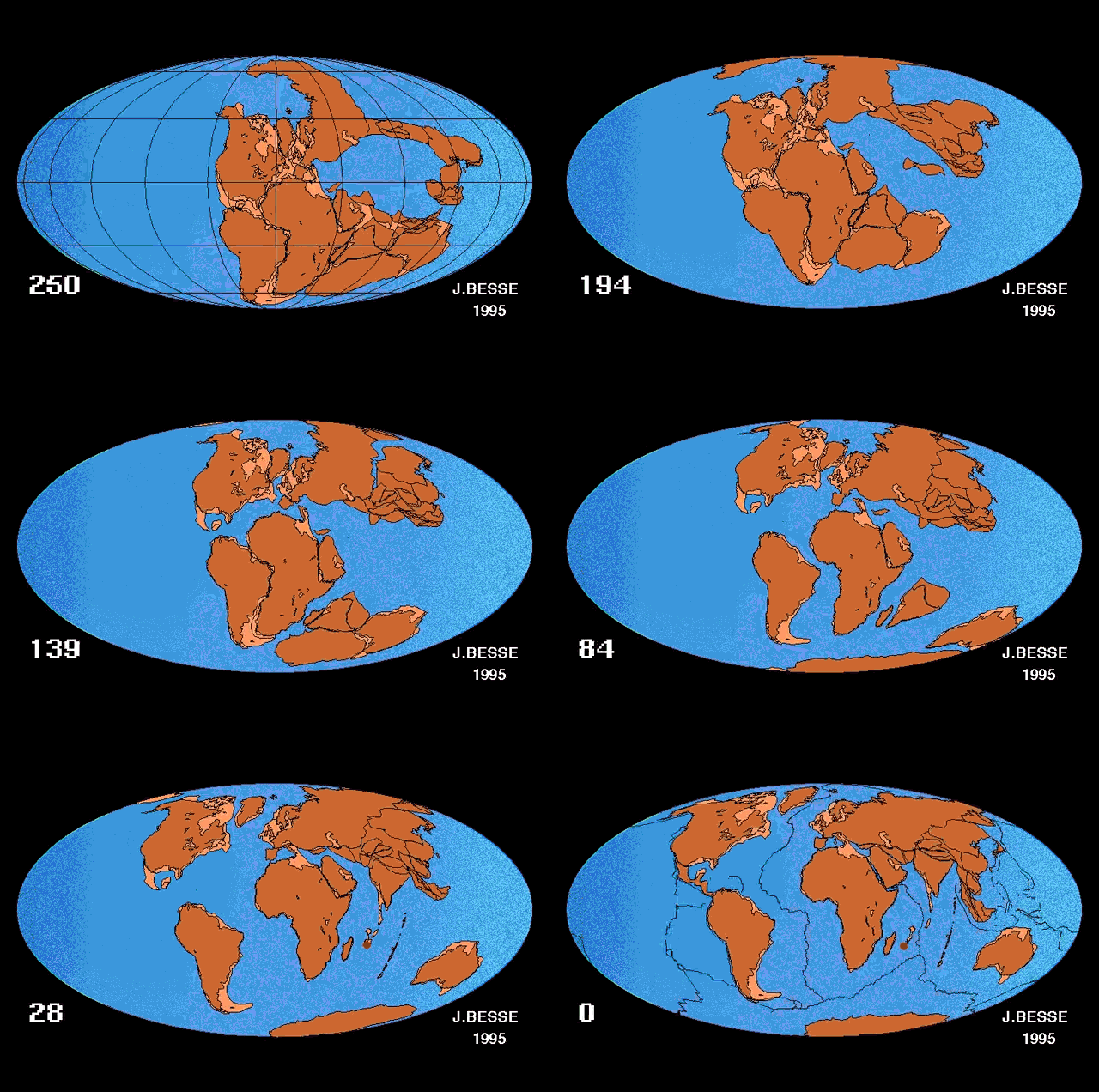
    History of Supercontinents
    Credit: https://cdn-images-1.medium.com/max/1600/1*zMHdb8IeaNiDaSJ4DO8Zug.gif

    Welcome to another post about continents. Last post, I discussed about a hidden continent, Zealandia. To want more information, click here. I had posted a post about supercontinents in my Geology science badge, for more information, click here. Let's go back to the topic. I am going to talk about two supercontinents which were on this planet.


    Vaalbara between 3.6-2.8 billion years ago

    The first known supercontinent is Vaalbara. There is evidence of the first cratons in South Africa and Western Australia. The crust from Vaalbara is back 3.6 to 2.8 billion years ago. Vaalbara's name comes from two cratons which were believed to be combined about 3.1 billion years ago. The first craton which now is in South Africa named Kaapvaal Craton. The second craton is the Pilbara craton which is in Pilbara, West Australia. Approximately 2.5 billion years ago the supercontinent split apart from each other. Their drift routes present additional evidence that they were once connected.

    Pangaea between 0.335 - 0.173 billion years ago

    Around 300 million years ago, Earth hadn't had the seven continents that we have now, but instead, there was one massive supercontinent, Pangaea. Pangaea was the most recent supercontinent. Alfred Wegener convinced that Earth's continents were once part of a supercontinent, Pangaea. Alfred trained as an astronomer, used botany, biology and geology to explain Pangaea and the continental drift. One example is fossils of the ancient reptile mesosaurus that are only found in South America and southern Africa. Mesosaurus is a reptile that is freshwater and it is just only one metre long, the reptile couldn't have swum the Atlantic Ocean.


    Here is a video from Khan Academy explaining about Pangaea.


    Here is another video from Marilyn Adams about the expanding earth.


    I hope you like my post about supercontinents. Comment down below if you know about supercontinents. Have a cool day!! Bye!!